

Q4 Go Goals! Introduction
Introduction
Ready to change the world? Team up, represent a country, and race toward 2030 in Go Goals!, a digital board game where every decision reveals the challenges and opportunities countries face in achieving the Global Goals.
Along the way, you'll discover how teamwork, unexpected challenges, and speaking up for others can make a difference in building a better world!
learning objectives
I can:
- Explain how starting conditions and resources are unevenly distributed across different countries.
- Step into different perspectives and advocate for the needs of communities and teams other than my own.
- Connect small, local decisions to massive global outcomes and the 2030 deadline.
- Collaborate with my team to make choices that support collective global progress rather than just individual winning.
Same Goal, Different World
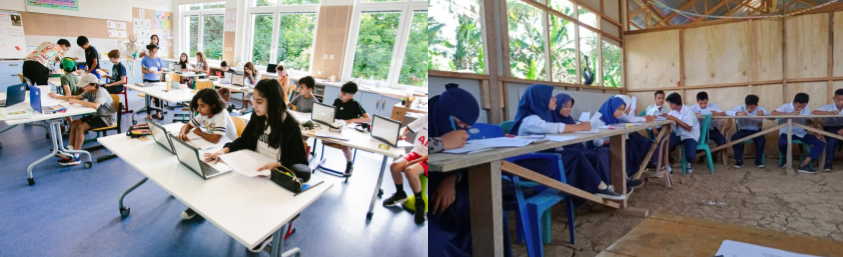
Imagine two teams working toward the same Global Goal, but living in very different parts of your state, the country, or even the world. Will they have the same opportunities to succeed?
- Team A - Your community has limited internet access, unreliable electricity, and fewer educational resources.
- Team B - Your community has reliable internet, electricity, well-funded schools, and access to technology.
Individual Task: Take one minute ~ Consider the Global Goal you selected in Quest 2. How might each team's resources affect its ability to make progress toward that goal? Jot down your thoughts.
Partner Up Task: Take two minutes ~ Discuss these questions with a thought partner.
- Which team might have an easier time reaching its goal? Why?
- How could the two teams use digital tools and global collaboration to help each other?
- What could Team A learn from Team B?
Be prepared to share your discussion points based on your teachers instructions.

Competencies & Standards
MITECS Michigan Integrated Technology Competencies for Students, and
6. Creative Communicator
d. Students publish or present content that customizes the message and medium for their intended audiences.
7. Global Collaborator
a. Students use digital tools to connect with learners from a variety of backgrounds and cultures, engaging with them in ways that broaden mutual understanding and learning.
b Students use collaborative technologies to work with others, including peers, experts, or community members, to examine issues and problems from multiple viewpoints.
d Students explore local and global issues and use collaborative technologies to work with others to investigate solutions.
Websites and Documents
Websites
Videos
21T4S Documents & Quizzes