



Q5 Applying for a Job: Resume
What is a Resume?
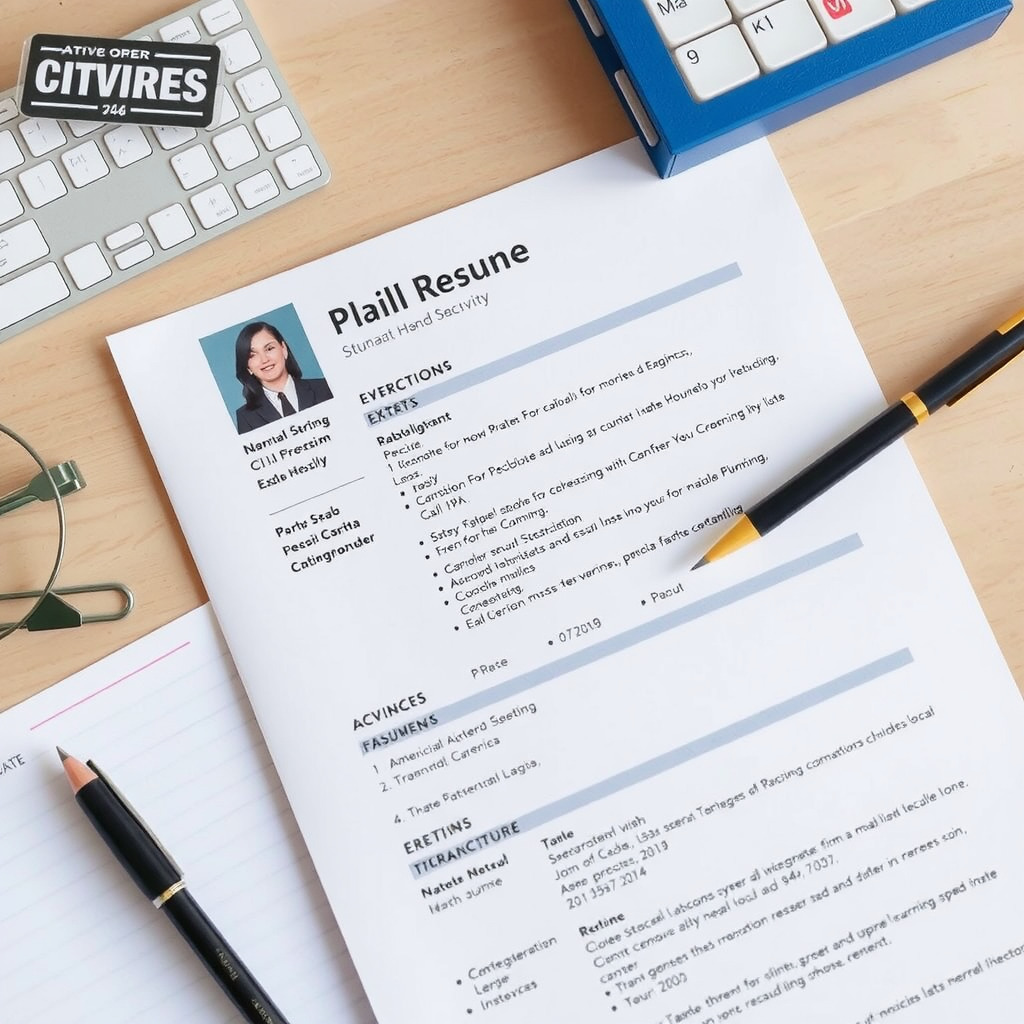
A resume is a special document that helps you showcase your skills, experiences, and accomplishments to potential employers, schools, or organizations. It’s like a personal advertisement that tells others what you can do and what you’ve already achieved.
Whether you’re applying for a part-time job, volunteering, or even applying to a high school program, a resume is an essential tool that helps you stand out from others. It highlights what makes you unique, whether it's your skills, hobbies, or experiences.
Why are Resumes Important?
Having a strong resume is crucial because it gives employers or schools a quick way to see what you bring to the table without meeting you first. Think of it as your personal story told through facts and accomplishments!
Resume Examples
Below are three examples of different resumes. You will notice that they may look different based on the level of job you are applying for, your strengths, and the type of job you are applying for.
What differences do you see in these resumes? Your teacher may instruct you to discuss your findings with a partner.
16.Q5 Resume Examples Slidedeck
Discussion question to think about as you play the video below:
- Why do you think having a well-written resume is important?
Why PR? The Importance of Your Resume
Direct link (1:32 min.)

Competencies & Standards
MITECS Michigan Integrated Technology Competencies for Students, and
1. Empowered Learner
a. Connect their learning needs, strengths and interests to their goals and use technology to help achieve them and reflect on their progress.
d. Understand the fundamental concepts of technology operations, demonstrate the ability to choose, use, and troubleshoot current technologies, and transfer their knowledge to explore emerging technologies.
2. Digital Citizen
a. Manage their digital identity and understand the lasting impact of their online behaviors on themselves and others and make safe, legal and ethical decisions in the digital world.
b. Demonstrate empathetic, inclusive interactions online and use technology to responsibly contribute to their communities.
3. Knowledge Constructor
a. Use effective research strategies to find resources that support their learning needs, personal interests and creative pursuits.
c. Curate information from digital resources using a variety of tools and methods to create collections or artifacts that demonstrate meaningful connections or conclusions
d. Build knowledge by actively exploring real-world issues and problems, developing ideas and theories and pursuing answers and solutions
6. Creative Communicator
a. Choose the appropriate platforms and tools for meeting the desired objectives of their creation or communication
c. Use digital tools to visually communicate complex ideas to others.
d. Publish or present content that customizes the message and medium for their intended audiences.
Websites and Documents
Videos from Outside Sources
- Why PR? The Importance of Your Resume(1:32 min.)
21T4S Documents & Quizzes